OCR Document Extraction Through the Eyes of a Frontend Engineer
Most OCR write ups are told from the model side. This one isn't. Here's what the frontend engineer actually owned in a production document extraction pipeline and why it mattered more than people assume.
AIOCRUXFE
Suvel Rathneswar
2/22/20261 min read
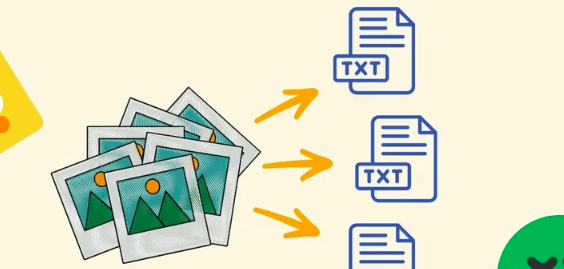
Logistics platform. Field operators photographing physical cargo documents. Air Waybill records, manifests on mobile in warehouse conditions. Not clean PDFs. Real paper, real lighting, real operators in a hurry.
The problems: same company, inconsistent print formats across batches. Ink bleed, overwriting, faded text. Mixed multilingual fields. Tables OCR would routinely merge or split incorrectly.
By the time a document reached the OCR model, quality was already determined. I owned the layer camera access, dynamic resolution selection, format and size validation before upload. Resolution too low, extraction breaks. Capture angle too sharp, spatial anchoring fails. Getting this right had more impact on accuracy than any prompt tuning downstream.
How We Located and Validated Data
Spatial anchoring — fields located by positional reference relative to document structure, not field labels. Labels varied across print batches. Position was more stable.
Output constraints — regex style filters post extraction. Wrong data type, wrong length, unexpected format rejected before reaching the user. Clean failures beat silent wrong data.
Clarity scoring — ratio of successfully extracted fields to expected fields per document. Simple quality signal that required no model confidence interpretation.
What the UI Did With That Score
Low-scoring documents weren't silently displayed. The UI flagged them clearly — extraction unreliable, please verify — and prompted manual correction. That corrected input fed directly back as labelled training data. The verification loop was our best source of training signal. Users correcting real documents in real context generate annotations.
Input quality beats model quality. Surfacing uncertainty beats hiding it. And the best training data comes from users — not annotation pipelines.
The model gets the credit. The fronted sets the conditions for it to succeed.